A near miss on site rarely starts with something dramatic. More often, it starts with a rushed lift, a missing check, or a worker assuming someone else has already looked at the risk. That is why the best toolbox talks for construction are not the longest or most technical. They are the ones people actually remember when the job starts moving.
For site managers, supervisors and business owners, toolbox talks need to do three things well. They need to be relevant to the day’s work, simple enough to deliver properly, and consistent enough to support your wider safety records. If any one of those is missing, the talk becomes a paper exercise rather than a useful control.
What makes the best toolbox talks for construction?
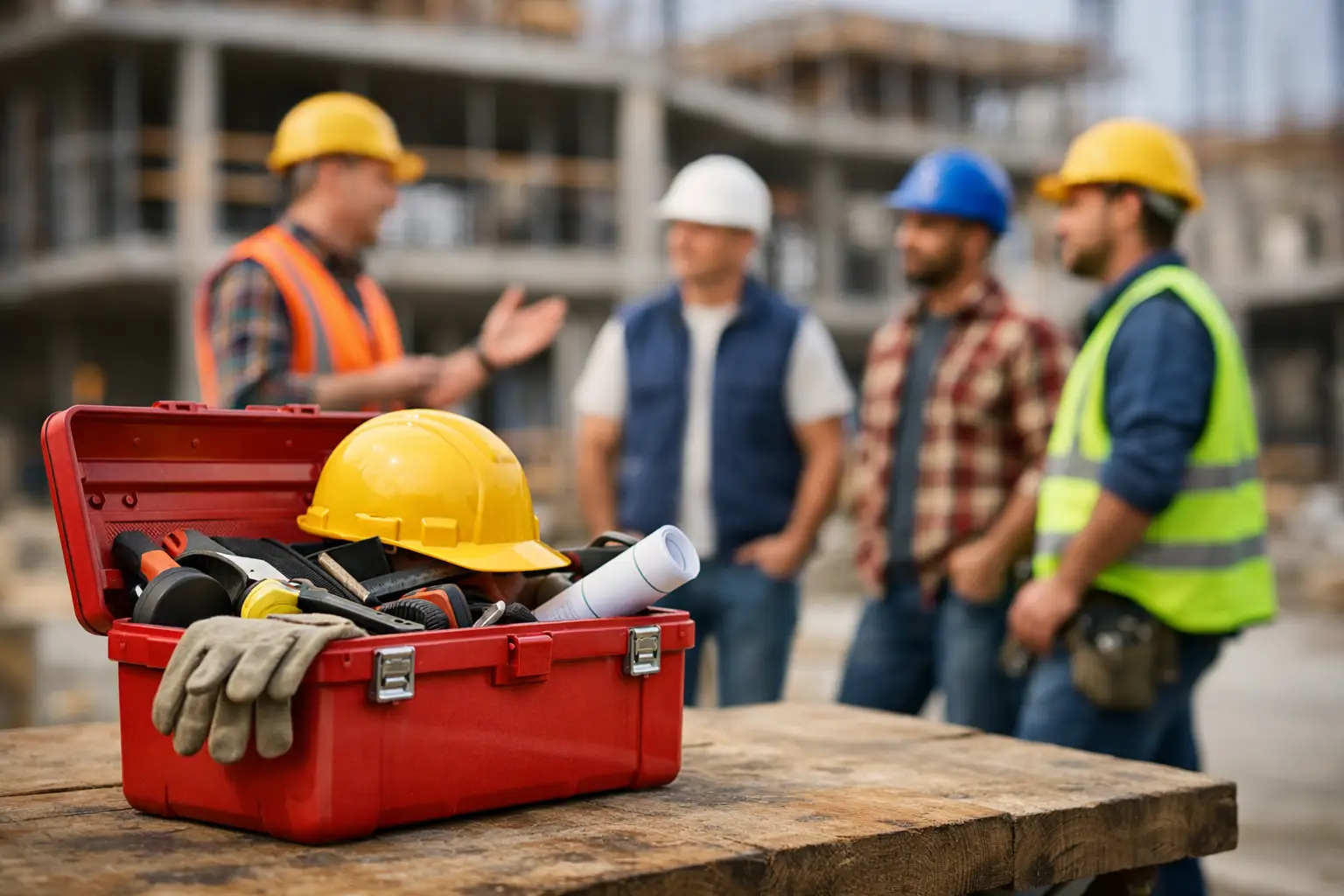
A good construction toolbox talk is short, specific and tied to real site activity. It should focus attention on a clear risk, explain the safe way to work, and give people a chance to ask questions before they get on with the task. In practice, that usually means ten minutes of clear instruction rather than a generic script read out with no context.
The best toolbox talks for construction also reflect the realities of changing sites. Hazards shift as trades overlap, deliveries arrive, weather changes and programmes tighten. A talk that worked perfectly last month may not be the right one for today’s phase of work. That is why it helps to have a set of editable talks you can adapt rather than relying on the same few topics on repeat.
There is also a compliance point here. If you are responsible for site safety, you need evidence that key risks have been communicated properly. A signed, dated toolbox talk record can support your wider health and safety management, but only if the content is suitable and the briefing is carried out properly.
15 toolbox talk topics that work on real sites
1. Working at height
This remains one of the most important topics on any construction site. The talk should cover access equipment, edge protection, fragile surfaces, ladder use and the need to stop work if conditions are unsafe. It is especially useful before roofing, scaffold alterations, steelwork or any activity where people may be tempted to improvise.
2. Manual handling
Construction workers handle awkward, heavy and uneven loads every day. A manual handling talk should go beyond the standard advice about lifting with the legs. It should address planning the lift, reducing carrying distances, using mechanical aids and recognising when a load needs two people rather than one.
3. PPE use and limitations
PPE is one of the easiest subjects to mention and one of the easiest to get wrong. The talk needs to explain what is required on your site, when additional PPE is needed for specific tasks, and where PPE stops being enough on its own. Workers need to understand that PPE supports other controls. It does not replace them.
4. Slips, trips and housekeeping
Poor housekeeping causes a steady stream of avoidable injuries. This talk works best when it is tied to current site conditions such as trailing leads, uneven ground, wet access routes or waste build-up. It is simple, but it has real value, especially on fast-moving sites where standards can drop quickly.
5. Fire safety and hot works
If your project involves cutting, grinding, welding or bitumen work, this talk is essential. Cover ignition sources, permits, extinguishers, fire watches, storage of flammables and escape routes. On refurbishment projects, where hidden voids and occupied areas can complicate matters, this topic becomes even more important.
6. Plant and pedestrian segregation
Reversing vehicles, telehandlers and excavators present obvious risks, but the problem is often routine familiarity. A toolbox talk should reinforce exclusion zones, banksman arrangements, designated walkways and the need for eye contact and clear communication. It is particularly useful when site layout changes.
7. Excavations
Groundworks carry serious risk, especially where excavation support, underground services and access arrangements are not controlled properly. A talk on excavations should cover collapse risk, inspections, spoil placement, water ingress and service detection. This is not a topic for assumptions.
8. Electrical safety
Temporary supplies, portable tools and hidden cables all create risk on construction sites. A useful talk will cover visual checks, damaged equipment, 110V arrangements where appropriate, isolation procedures and reporting defects immediately. If multiple subcontractors are using shared power sources, clarity matters.
9. Hand-arm vibration
This topic is often overlooked until someone starts using breakers, grinders or compactors for long periods. The talk should explain exposure, symptoms, equipment selection, maintenance and practical ways to reduce time on vibrating tools. It is a good example of a health risk that can be missed because the effects are not immediate.
10. Dust and respiratory protection
Cutting, chasing, sanding and demolition can all produce hazardous dust, including silica. A toolbox talk here should focus on dust suppression, extraction, correct face fit, cleaning methods and why dry sweeping is a bad habit. This is an area where short briefings can make a genuine long-term difference.
11. COSHH and hazardous substances
Construction sites use adhesives, paints, fuels, sealants and cleaning chemicals every day. The talk should cover safe storage, handling, exposure routes, reading product information and what to do in the event of a spill or contact. It also helps remind teams that not every substance risk looks dramatic.
12. Scaffold safety
A scaffold talk should cover inspection status, unauthorised alterations, loading, access and reporting defects. It is particularly relevant where several trades are sharing the same scaffold and there is a temptation to move boards or guardrails to suit a task. Small changes can create major risk.
13. Welfare and mental wellbeing
This may not be the first topic some managers think of, but it has a place on busy sites. Fatigue, dehydration, poor welfare standards and stress all affect concentration and decision-making. A practical talk can cover breaks, hydration, speaking up about concerns and looking out for changes in behaviour.
14. Site traffic management
This is broader than plant segregation and works well for larger or more complex projects. Cover delivery routes, speed limits, loading areas, one-way systems and visitor controls. If access is tight or public interfaces are involved, this talk can help prevent confusion before it turns into an incident.
15. First aid and accident reporting
When something goes wrong, people need to know who the first aiders are, where equipment is kept and how to report incidents, hazards and near misses. This is one of the best talks to repeat periodically, especially when new starters join or site arrangements change.
How to choose the right toolbox talk for the day
Not every site needs the same rotation of topics. A new build housing site, a fit-out project and a civil engineering job will all have different priorities. The right talk depends on the task, the phase of work, the contractors involved and the issues already appearing on site.
A sensible approach is to start with your risk assessments, method statements and recent observations. If you have seen poor housekeeping, a rise in manual handling issues or confusion around access routes, that tells you where the next talk should focus. This is more useful than following a fixed monthly schedule with no regard for what is actually happening.
Timing matters as well. Delivering a talk on heat stress during freezing weather or discussing excavation safety on a finishing job is unlikely to land well. Workers tend to engage more when the topic clearly connects to the work in front of them.
Why delivery matters as much as the topic
Even the best-written toolbox talk can fail if it is delivered badly. Reading from a sheet without eye contact, rushing through key points or holding the talk in a noisy area all reduce its value. On the other hand, a short and focused briefing that refers to the exact work area, equipment and team involved is far more likely to stick.
There is a balance to strike. You want consistency in the message, but you also want flexibility. That is where editable templates are useful. They give you a professional structure while allowing you to tailor examples, controls and site-specific points. For smaller businesses without in-house safety staff, that can save a lot of time while still keeping standards credible and usable.
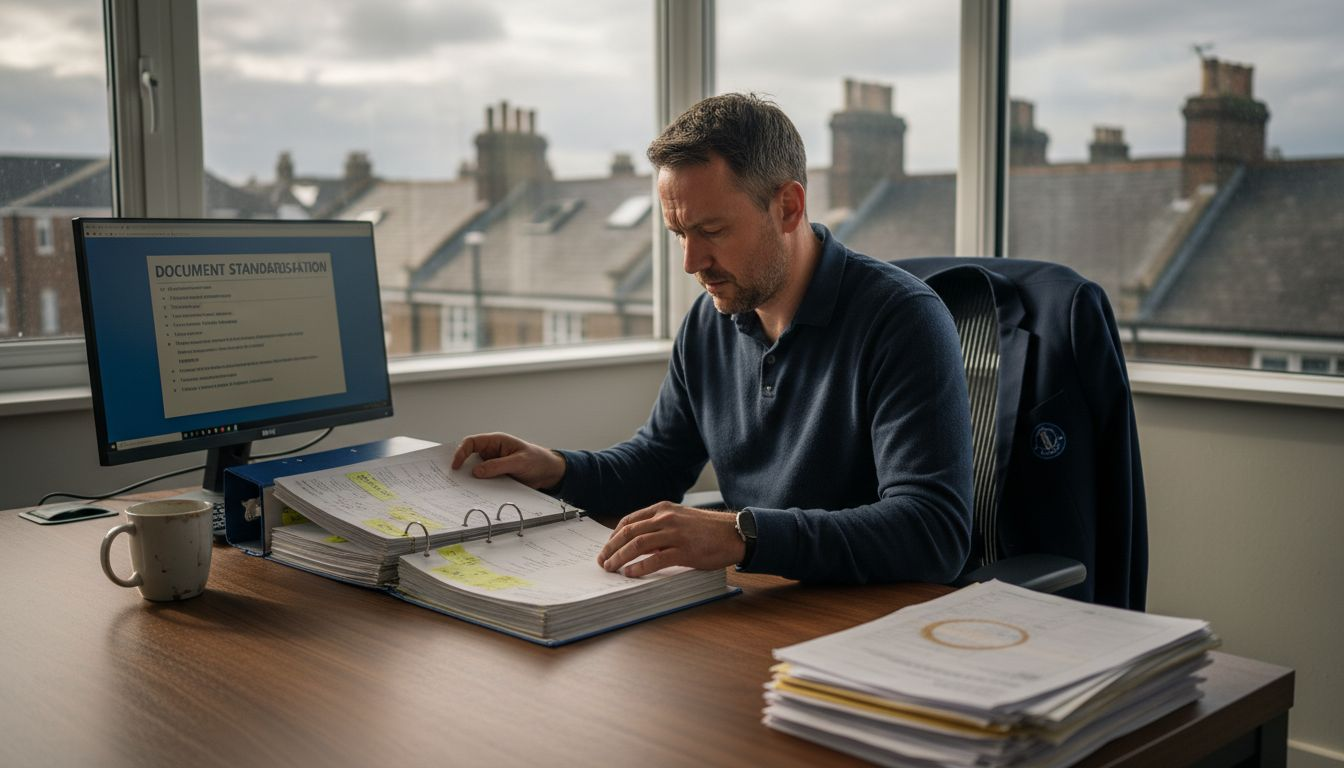
It also helps to record attendance properly and keep the signed briefing with your site documents. If you ever need to show what was communicated and when, organised records make life much easier.
Common mistakes with construction toolbox talks
The most common mistake is treating toolbox talks as paperwork first and communication second. If the main aim is only to get a signature, the briefing will usually be too generic to be useful. People switch off quickly when they hear the same wording delivered with no clear relevance.
Another mistake is making talks too broad. A single session on “site safety” sounds comprehensive, but it often becomes vague. Narrower talks tend to work better because they give workers something practical to act on that day.
Finally, some businesses leave toolbox talks to chance, delivering them only after an incident or when an auditor asks for evidence. A more effective approach is to build them into normal site management, using them to reinforce safe habits before problems develop.
If you are trying to keep documentation practical as well as compliant, professionally prepared toolbox talk templates can remove a lot of friction. ACI Safety’s editable formats are designed for exactly that kind of day-to-day use, where speed matters but so does getting the message right.
The best toolbox talks for construction are the ones that fit the work, speak plainly and help people make safer decisions when the pressure is on. Keep them relevant, keep them consistent, and they will do far more than fill a file.